
Open-concept homes have become one of the defining features of modern residential design. By removing unnecessary walls and creating a seamless flow between the kitchen, dining room, and living area, these layouts make homes feel brighter, larger, and more inviting. However, they also introduce unique painting challenges that require more planning, precision, and craftsmanship than traditional room-by-room interiors.
Unlike enclosed spaces where each room can have its own color palette and finish, open-concept living areas demand visual continuity. Every wall, ceiling, trim piece, and transition must work together to create a cohesive environment. Small imperfections become far more noticeable because sightlines extend across multiple spaces. This is one of the primary reasons homeowners increasingly rely on professional indoor painters in Walled Lake instead of attempting large interior painting projects themselves.
This guide explores why professional painting matters for open-concept homes and how experienced painters deliver results that enhance both aesthetics and long-term value.
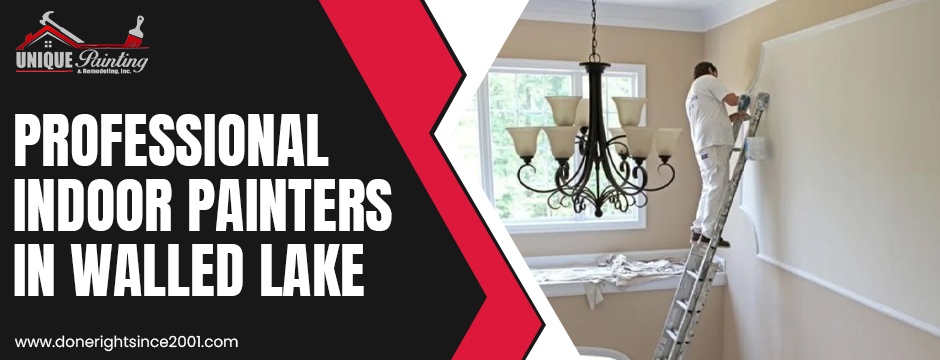
Open-Concept Homes Require a Different Painting Strategy
Painting an open-concept space is not simply a larger version of painting a bedroom or office. It requires careful planning before the first drop of paint is applied.
Professional painters evaluate several important factors, including:
- Natural and artificial lighting
- Ceiling height
- Traffic patterns
- Architectural features
- Flooring materials
- Cabinet finishes
- Trim details
- Existing wall conditions
These elements influence color selection, finish consistency, and the order in which painting should be completed.
Instead of viewing the project as separate rooms, experienced painters treat the entire space as one connected environment.
Color Flow Matters More Than Individual Walls
One of the biggest mistakes homeowners make is selecting paint colors independently for each section of an open floor plan.
Although subtle variations can add depth, excessive contrast often creates visual breaks that interrupt the natural flow of the home.
Professional painters understand how to create transitions that feel intentional rather than abrupt.
This may involve:
- Using complementary neutral tones
- Introducing accent walls only where appropriate
- Coordinating trim colors
- Maintaining consistent ceiling colors
- Matching paint undertones with flooring and cabinetry
The result is a home that feels unified rather than divided.
Lighting Changes Everything
Lighting significantly affects how paint appears throughout the day.
A color that looks warm in the morning may appear cooler in the evening depending on:
- Window orientation
- LED lighting
- Pendant fixtures
- Recessed lighting
- Skylights
Professional painters often assess paint samples under different lighting conditions before finalizing a color.
This process reduces the risk of choosing a shade that appears dramatically different once the project is complete.
Surface Preparation Determines the Final Finish
Exceptional painting begins long before brushes or rollers are used.
Open-concept homes often contain extensive wall surfaces where imperfections become highly visible.
Professional preparation typically includes:
- Cleaning walls
- Filling nail holes
- Repairing drywall damage
- Sanding uneven surfaces
- Caulking gaps
- Priming repaired areas
- Protecting floors and furniture
Skipping these steps usually leads to uneven finishes, flashing, and visible defects that become more noticeable under natural light.
Consistent Finishes Across Large Spaces
Maintaining a uniform finish across connected rooms is one of the greatest challenges in interior painting.
Large continuous walls increase the risk of:
- Roller marks
- Lap lines
- Inconsistent sheen
- Uneven texture
- Color variation
Experienced painters use proven application techniques that maintain a wet edge and consistent coverage throughout expansive surfaces.
This attention to detail creates walls that appear smooth regardless of viewing angle.
Ceiling Painting Requires Precision
Ceilings in open-concept homes frequently span several connected areas without interruption.
Painting these large surfaces requires:
- Proper equipment
- Even roller pressure
- Consistent application
- Careful blending
Visible ceiling imperfections can distract from an otherwise beautiful interior.
Professional painters understand how to achieve clean, uniform ceiling finishes while protecting walls and architectural details.
Trim and Woodwork Define the Space
Baseboards, crown molding, door casings, window trim, and built-in shelving frame the overall appearance of an open-concept home.
Painting these elements requires steady workmanship because small defects become obvious when viewed across large open areas.
Professionals focus on:
- Sharp paint lines
- Smooth brush finishes
- Consistent sheen
- Clean corners
- Durable coatings
Well-finished trim enhances the overall appearance without drawing unwanted attention.
Paint Selection Goes Beyond Color
Different rooms experience different levels of wear.
Within one open-concept layout, the kitchen, dining room, and family room all have different environmental conditions.
For example:
The kitchen experiences:
- Moisture
- Cooking residue
- Frequent cleaning
Living areas experience:
- Everyday traffic
- Furniture movement
- Children and pets
Professional painters recommend paint products and finishes that balance appearance with durability, ensuring every area performs well without sacrificing consistency.
Protecting Your Home During the Project
One concern many homeowners have is disruption during interior painting.
Professional painters follow systematic procedures to protect the home, including:
- Covering furniture
- Protecting hardwood flooring
- Using drop cloths
- Masking cabinets
- Shielding fixtures
- Maintaining organized work areas
Careful preparation minimizes cleanup while protecting valuable finishes throughout the project.
Open Spaces Demand Better Workmanship
Small mistakes are easier to hide in enclosed rooms.
Open floor plans offer uninterrupted views across multiple living areas, making flaws immediately noticeable.
Common issues include:
- Uneven cut lines
- Missed spots
- Roller streaks
- Poor corner detailing
- Drips
- Visible patch repairs
Professional painters focus on craftsmanship that withstands close inspection from every angle.
Interior Painting Increases Property Appeal
Interior painting remains one of the most effective home improvement projects for improving property presentation.
Fresh, professionally applied paint can:
- Brighten interiors
- Modernize older homes
- Create visual consistency
- Highlight architectural features
- Improve buyer perception
- Increase overall market appeal
For homeowners considering future resale, professional painting often provides a strong return relative to its investment.
Coordinating Painting with Other Renovation Projects
Many homeowners update their interiors through multiple improvements rather than isolated projects.
Painting often follows:
- New flooring installation
- Cabinet replacement
- Lighting upgrades
- Fireplace renovations
- Kitchen remodeling
Completing painting after major construction ensures the final appearance ties every design element together.
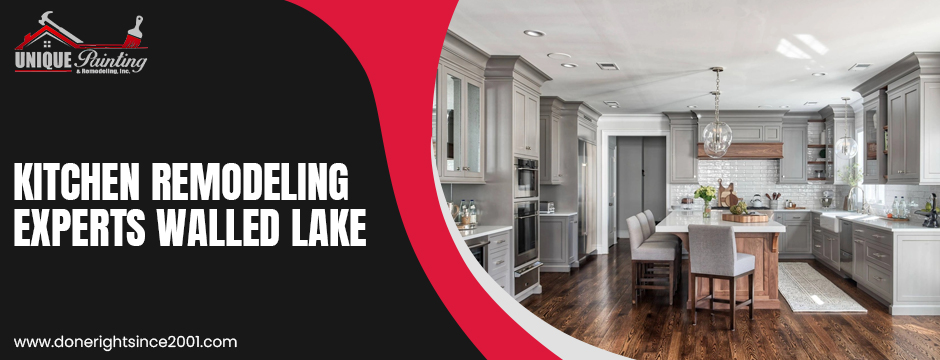
For homeowners planning larger renovations, collaborating with Kitchen Remodeling Experts Walled Lake before painting begins can simplify scheduling and ensure wall colors complement cabinetry, countertops, backsplashes, and flooring. Coordinating these improvements from the outset helps avoid unnecessary repainting and creates a more cohesive finished space.
Why Experience Makes a Difference
Professional interior painting is more than applying paint evenly.
Experienced painters understand:
- Material compatibility
- Drywall repair
- Moisture considerations
- Primer selection
- Finish durability
- Surface preparation
- Environmental conditions
- Project sequencing
These factors influence how well paint performs years after the project is complete.
Choosing experienced professional indoor painters in Walled Lake gives homeowners confidence that every phase of the project has been planned with long-term performance in mind.
Choosing the Right Color Palette for Open Floor Plans
Neutral colors continue to dominate open-concept interiors because they provide flexibility for furniture, décor, and future design updates.
Popular approaches include:
- Warm whites
- Soft greiges
- Earth-inspired neutrals
- Light taupes
- Muted greens
- Soft blues
Rather than selecting colors based solely on trends, professionals evaluate how each option interacts with existing materials throughout the connected living space.
This produces interiors that remain attractive for years rather than following short-lived design preferences.
Long-Term Value Through Quality Workmanship
Quality interior painting is an investment rather than a cosmetic upgrade.
Professional workmanship contributes to:
- Better durability
- Easier maintenance
- Improved stain resistance
- Consistent appearance
- Fewer touch-ups
- Longer repainting cycles
Over time, investing in professional craftsmanship often proves more economical than correcting poor-quality work or repainting prematurely.
Why Homeowners Trust Done Right Since 2001
At Done Right Since 2001, we understand that open-concept living spaces require more than a fresh coat of paint. Our team approaches every project with careful planning, detailed surface preparation, and precise application techniques that produce clean, consistent results throughout connected interiors. We take the time to protect your home, recommend finishes suited to each living area, and ensure every wall, ceiling, and trim detail contributes to a cohesive design. Whether you are updating a single level or preparing your home as part of a larger renovation, our goal is to deliver workmanship that enhances both the beauty and long-term value of your property.
Conclusion
Open-concept homes present unique challenges that demand more than standard painting techniques. Large connected spaces, extended sightlines, changing lighting conditions, and multiple architectural features all require careful planning and skilled execution.
Professional painters provide far more than color application. They create visual continuity, prepare surfaces correctly, recommend durable finishes, protect your home throughout the project, and deliver craftsmanship that stands the test of time.
For homeowners seeking lasting results, hiring experienced professional indoor painters in Walled Lake is an investment in quality, appearance, and long-term home value. When painting is approached with expertise and attention to detail, an open-concept living space becomes more than just a collection of connected rooms. It becomes a unified environment that reflects thoughtful design and exceptional craftsmanship.
Frequently Asked Questions
1. Why should I hire professional indoor painters in Walled Lake for an open-concept home?
Open-concept homes require consistent color transitions, precise cut lines, and uniform finishes across large connected spaces. Professional indoor painters in Walled Lake have the experience, tools, and techniques to deliver seamless results while minimizing visible imperfections.
2. How long does it take to paint an open-concept living space?
The timeline depends on the size of the home, the condition of the walls, the amount of surface preparation required, and the number of coats being applied. Most open-concept interior painting projects are completed within a few days, although larger or more complex homes may take longer.
3. What type of paint finish works best for open-concept living areas?
The ideal finish varies by room and usage. Eggshell and satin finishes are popular choices for living and dining areas because they offer a balance of durability and appearance, while kitchens may benefit from more washable finishes that can withstand frequent cleaning.
4. Should interior painting be completed before or after a kitchen remodel?
If you are planning cabinet replacement, new countertops, or other major upgrades, it is generally best to complete the remodeling work first. Many homeowners coordinate with Kitchen Remodeling Experts Walled Lake before scheduling interior painting to achieve a cohesive design and avoid unnecessary repainting.
5. How can I prepare my home before professional indoor painters arrive?
Remove fragile items, wall décor, and small furniture from the work area whenever possible. Professional painters typically protect floors, larger furniture, fixtures, and adjacent surfaces, but clearing personal belongings in advance helps the project proceed more efficiently and safely.